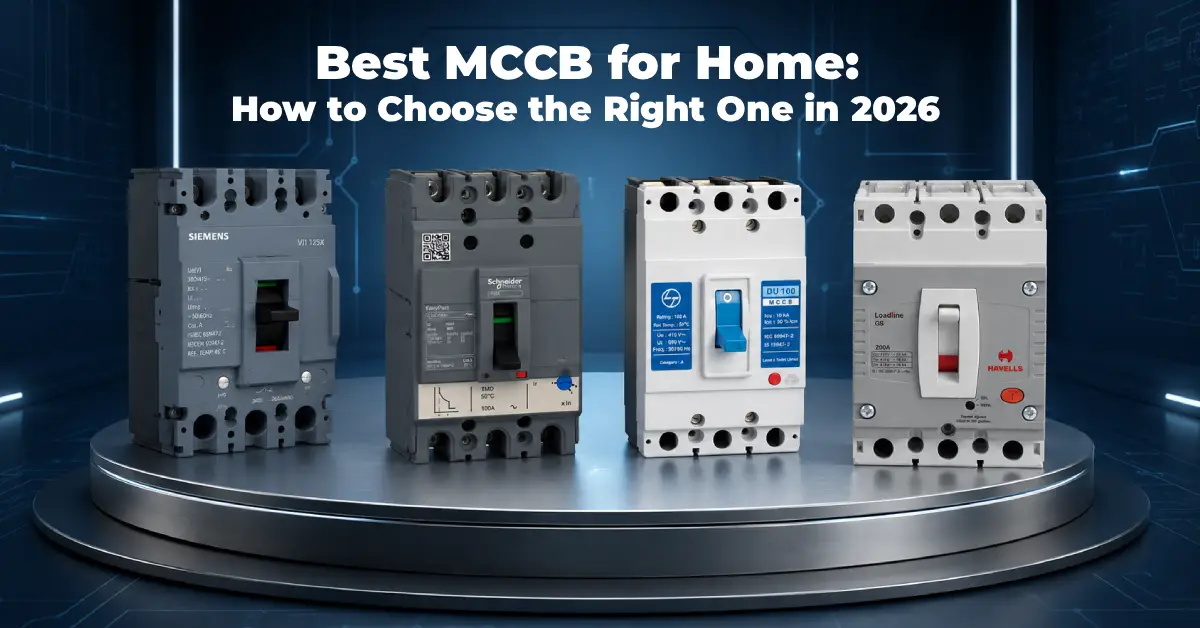
Choosing the best MCCB for a home depends on the electrical load, system configuration, required current rating, number of poles, breaking capacity and type of protection rather than on the brand name alone. Leading manufacturers such as Siemens, Schneider Electric and Lauritz Knudsen (L&T) offer MCCBs across different ratings, pole configurations, breaking capacities and trip-unit options. For homeowners, contractors and electrical professionals comparing these options, Eleczo provides access to MCCBs from these established brands, making it easier to review technical specifications and identify a configuration that aligns with the installation requirements. The focus should be on matching the MCCB to the actual electrical design—rather than simply choosing the highest-rated or most expensive model—so factors such as load current, cable capacity, prospective fault current and protection requirements should be verified before selection.
MCB vs MCCB for Home: Which One Should You Choose?
MCBs are generally suitable for residential branch circuits such as lighting, sockets and individual appliances, while MCCBs are typically considered for higher-load feeders, main incomers and three-phase distribution systems. The right choice depends on the circuit’s design current, cable capacity, required breaking capacity and protection requirements. An MCCB is not automatically better than an MCB; the protective device should be selected according to the specific electrical system and installation requirements.Leading MCCB Brands to Consider for Home Applications
When selecting an MCCB for a residential installation, the brand is only one part of the decision. The exact product specifications, current rating, breaking capacity, pole configuration and trip-unit characteristics should also match the electrical requirements. Some established MCCB brands available through Eleczo include:- Siemens – Siemens offers MCCBs across a range of current ratings, pole configurations and protection arrangements, making the brand suitable for evaluating different residential and electrical distribution requirements.
- Schneider Electric – Schneider Electric provides MCCBs in various ratings and protection configurations, offering options for installations with different current and fault-protection requirements.
- Lauritz Knudsen (L&T) – Lauritz Knudsen (L&T) offers MCCBs for electrical distribution and circuit protection across different ratings and configurations, providing options for residential applications with varying electrical demands.
MCCB for Home: Brand-Wise Buying Guide
MCCBs for residential applications are available from several established manufacturers, with different current ratings, pole configurations and protection characteristics. The table below provides a brand-wise overview of MCCB options that may be considered for higher-load residential applications. The appropriate rating should always be determined from the calculated electrical load, cable capacity, system configuration and prospective fault current rather than from the brand or available rating range alone. rather than from the brand or available rating range alone.| MCCB Brand | Commonly Available Current Ratings | No. of Poles | Suitable Applications | Explore MCCB Options |
|---|---|---|---|---|
| Siemens | 20A–100A and higher | 3 & 4 Pole | Suitable for residential main incomers, feeders and higher-load three-phase distribution, depending on the selected MCCB configuration. | Buy Now |
| Schneider Electric | 25A–100A and higher | 3 & 4 Pole | Suitable for higher-load residential distribution, main incomers and feeders where the selected current rating and breaking capacity match the electrical design. | Buy Now |
| Lauritz Knudsen (L&T) | 25A–100A and higher | 3 & 4 Pole | Suitable for residential feeders, incomers and three-phase distribution applications where higher current protection is required. | Buy Now |
| ABB | 16A–100A and higher | 3 & 4 Pole | Suitable for higher-load residential and building distribution applications where the required current rating and fault protection are appropriate. | Buy Now |
| Havells | 25A–125A and higher | 3 & 4 Pole | Suitable for residential and building distribution systems requiring different current ratings and protection configurations. | Buy Now |
Popular MCCB Products Available Through Eleczo
Based on the current Eleczo listings, these are good examples with different ratings, pole configurations and breaking capacities. configurations and breaking capacities.Choosing the Best MCCB for Your Home with Eleczo
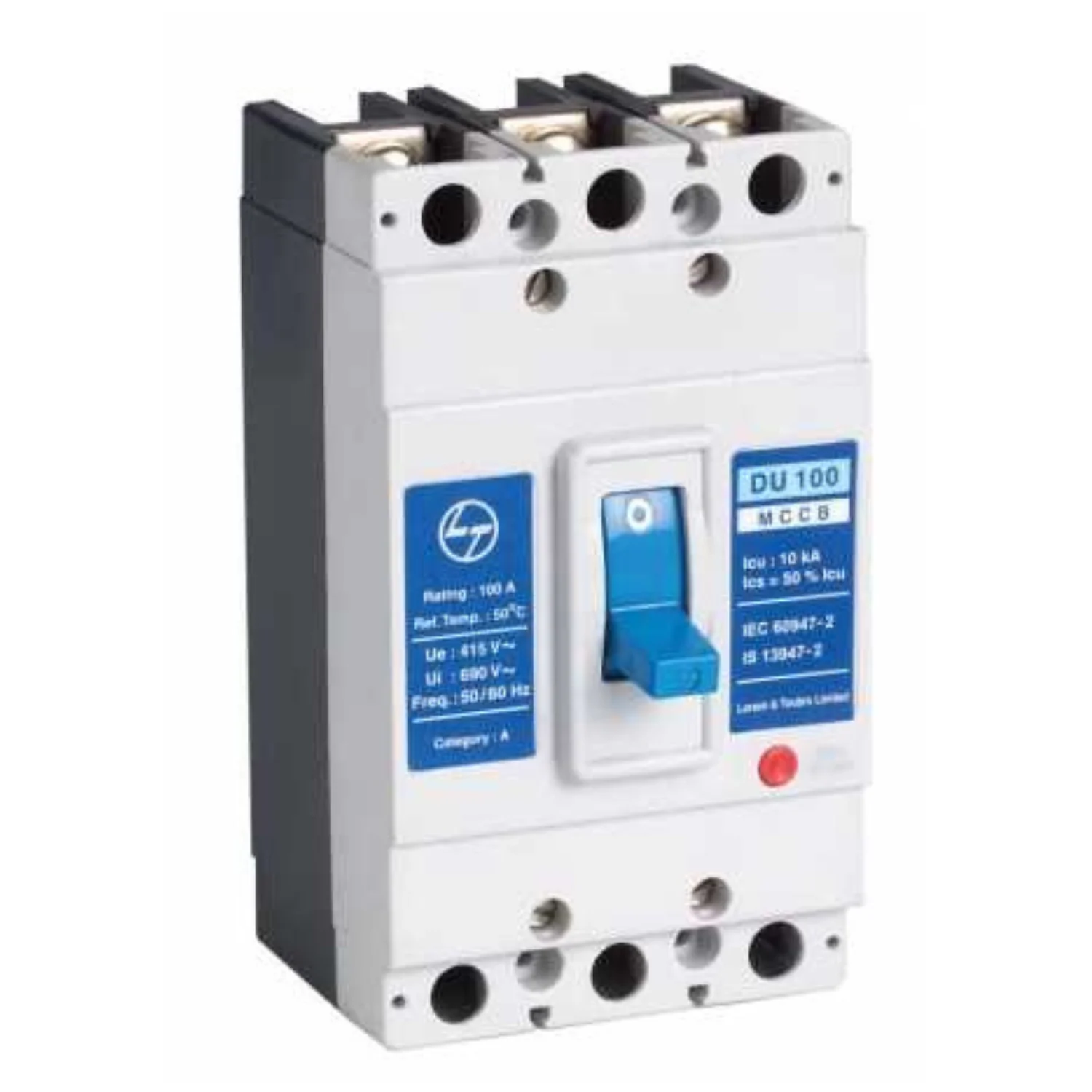
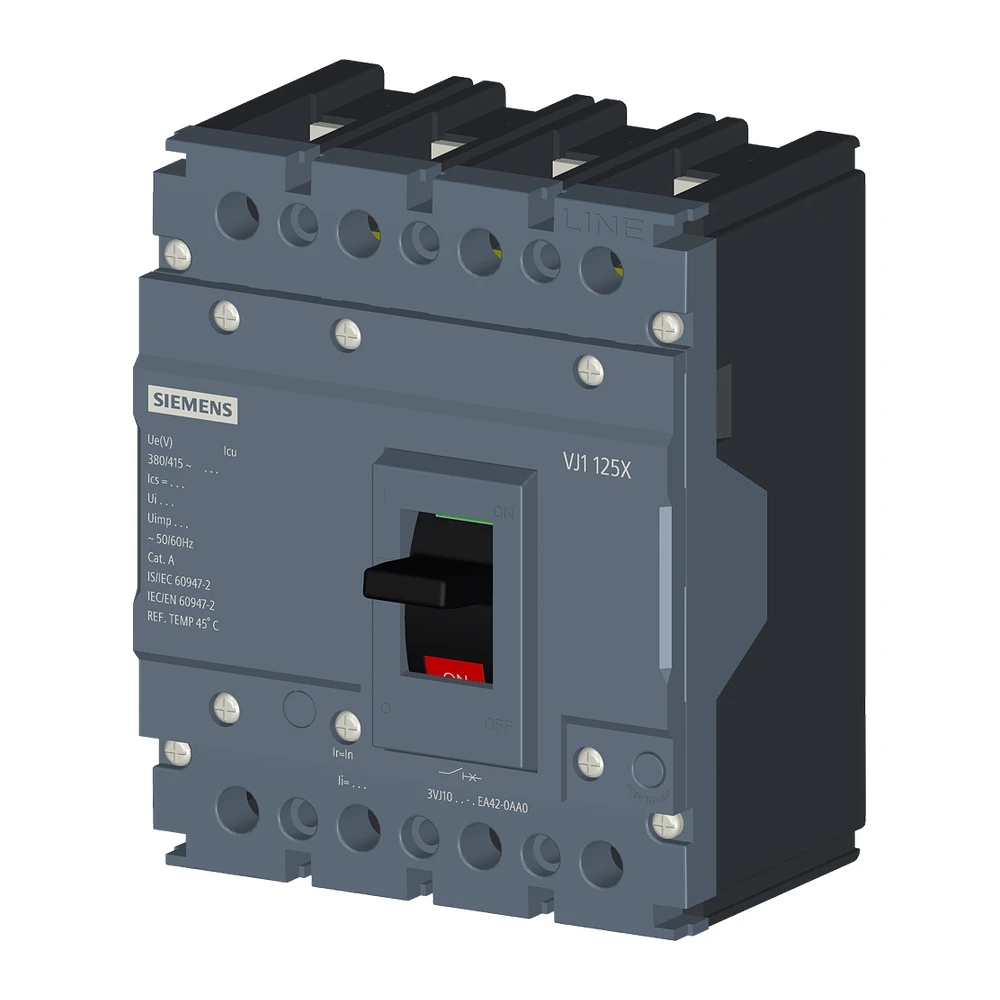
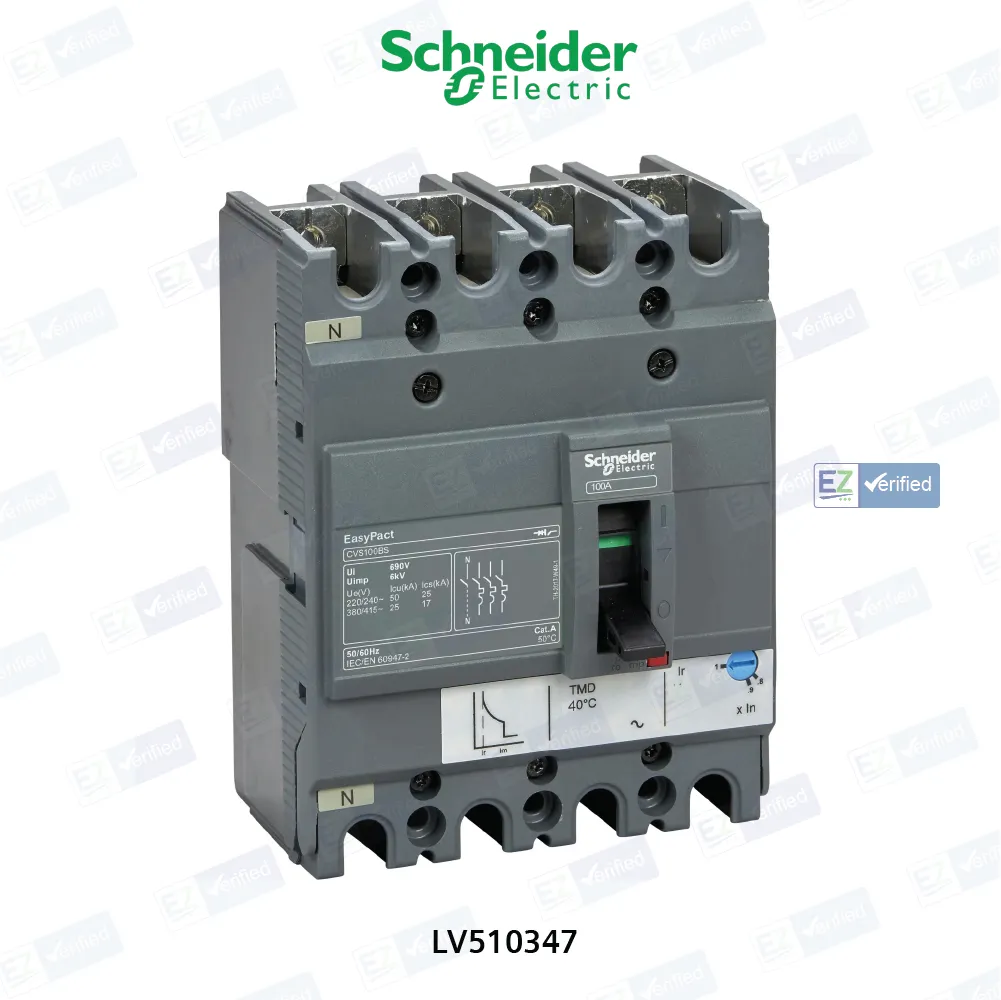
Choosing the best MCCB for home use is not simply about selecting a higher current rating or a particular brand. The right MCCB should match the electrical requirements of the installation, including the design load, rated current, number of poles, cable capacity, prospective fault current, breaking capacity and required protection characteristics. The products discussed above demonstrate how MCCBs can vary significantly even when they are intended for similar applications. A 3-pole MCCB may be suitable for one three-phase arrangement, while a 4-pole MCCB may be more appropriate where neutral switching or isolation is required. Similarly, different breaking capacities and current ratings may be necessary depending on the electrical system. For homeowners, contractors and electrical professionals, the key takeaway is to select the MCCB based on the electrical design rather than choosing solely by brand, price or ampere rating. Established options from Siemens, Schneider Electric and Lauritz Knudsen (L&T) provide different configurations that can be evaluated according to the requirements of the installation. Eleczo brings together MCCBs from established manufacturers, making it easier to compare specifications and identify a product that aligns with a particular electrical requirement. Before final selection, the exact product specifications should be verified against the manufacturer’s documentation, and the installation should be assessed by a qualified electrical professional.| MCCB Product | Rated Current | No. of Poles | Breaking Capacity | Suitable Application | Explore MCCB Options |
|---|---|---|---|---|---|
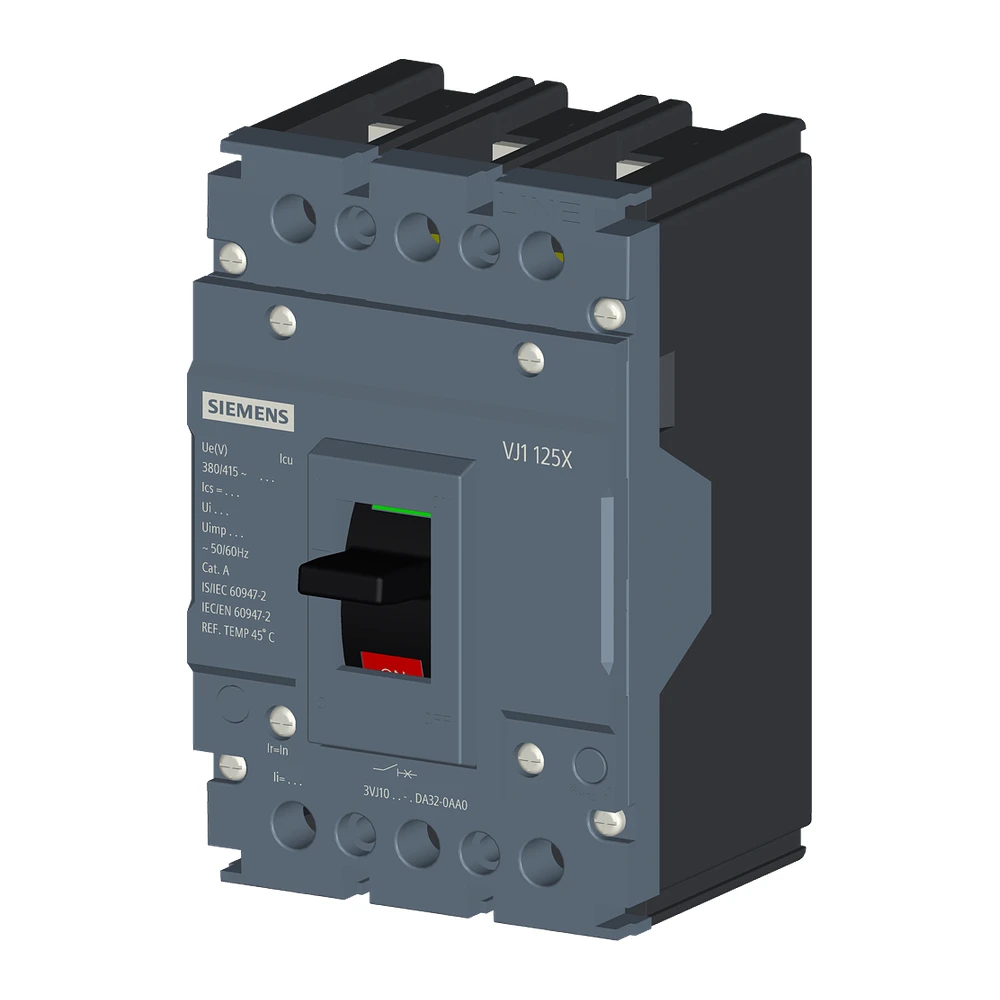
|
63A | 3 Pole | 10 kA | Suitable for a three-phase residential feeder or incomer where the 63A rating and 10 kA breaking capacity match the electrical design | Buy Now |
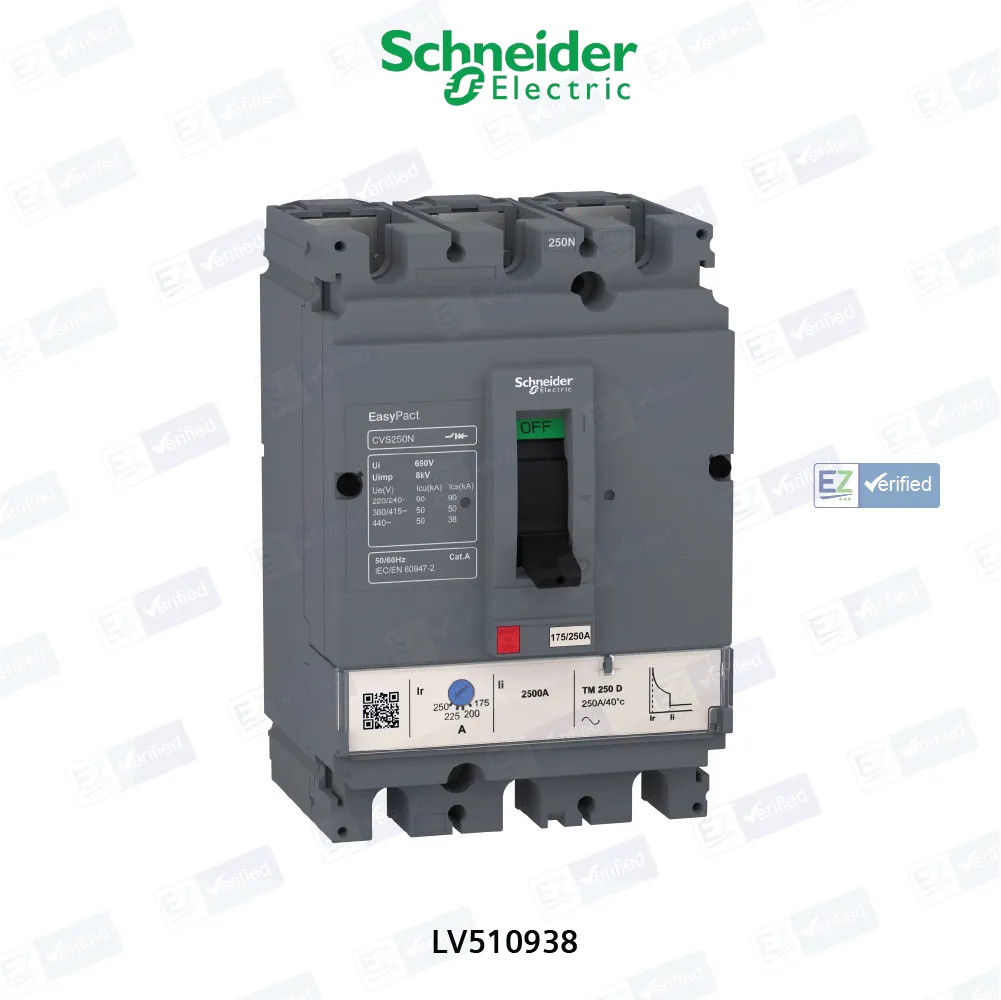
|
100A | 3 Pole | 25 kA | Suitable for higher-load three-phase residential feeders or incomers where a 100A protective device is required | Buy Now |
|
100A | 3 Pole | 30 kA | Can be considered for higher-capacity three-phase residential distribution where a 30 kA breaking capacity is appropriate | Buy Now |
|
100A | 4 Pole | 25 kA | Suitable for three-phase, four-wire residential distribution where 4-pole protection and 25 kA breaking capacity are required | Buy Now |
|
100A | 4 Pole | 36 kA | Suitable for larger three-phase, four-wire residential systems where the 100A rating and 36 kA breaking capacity match the electrical design | Buy Now |
The best MCCB for your home is not necessarily the biggest or most expensive one—it is the one whose specifications correctly match your electrical system.
Frequently Asked Questions About MCCBs for Home
The cost of an MCCB varies depending on its current rating, number of poles, breaking capacity, trip-unit type, brand and additional features. A higher-rated MCCB or one with a higher breaking capacity may cost more than a basic configuration. It is important to compare the complete technical specification rather than choosing an MCCB based only on price.
There is no single breaker that is best for every home. MCBs are commonly used for residential branch circuits, while MCCBs may be considered for higher-load feeders, incomers or three-phase residential installations where their higher current capacity or breaking capacity is required. The appropriate breaker should be selected according to the electrical load and protection requirements.
The appropriate MCB depends on the circuit load, cable capacity, system voltage and required protection characteristics. Different MCB ratings may be used for lighting, sockets and individual appliances. The MCB rating should be selected based on the calculated circuit requirements rather than simply choosing a higher rating.
Neither is universally better. MCBs are commonly used for lower-current residential branch circuits, while MCCBs are designed for higher-current applications and can offer higher breaking capacities and different protection configurations. The choice depends on the electrical system, load and protection requirements.
Yes, an MCCB can be used in certain residential installations, particularly where higher electrical loads, three-phase distribution, a main incomer or feeder, or specific fault-protection requirements make an MCCB appropriate. It should be selected according to the actual electrical design.
There is no standard MCCB size for every home. The appropriate current rating should be determined from the calculated design load, conductor capacity, system configuration and protection requirements. MCCBs are available in different ratings, so the correct size depends on the specific installation.
A 63A MCCB can be suitable for a residential installation when the calculated design current, cable capacity, system configuration and fault level support that rating. For example, the Siemens 63A 3 Pole MCCB discussed in this article can be considered where its specifications align with the electrical design.
A 3-pole MCCB is generally used for suitable three-phase arrangements where three phases need to be protected and switched. A 4-pole MCCB can be used in three-phase, four-wire systems where neutral switching or isolation is required. The appropriate configuration depends on the electrical system.
The MCCB's breaking capacity should be suitable for the prospective short-circuit current at its installation point. It should not be selected simply according to the home's size or connected load. The manufacturer's specified Icu and Ics ratings should be checked against the electrical system's fault level.
Consider the design current, cable capacity, number of phases, number of poles, breaking capacity, trip-unit type and protection coordination. The exact MCCB model should then be selected based on these requirements and verified against the manufacturer's technical documentation.
Established manufacturers such as Siemens, Schneider Electric and Lauritz Knudsen (L&T) offer MCCBs in different current ratings, pole configurations and protection arrangements. These options can be reviewed through Eleczo, where homeowners, contractors and electrical professionals can compare available MCCBs based on their technical specifications. However, the exact model should always be selected according to the electrical load, system configuration, breaking capacity and protection requirements, rather than brand alone.
An MCCB should not automatically be considered a replacement for an MCB. Although both provide overcurrent protection, they are designed for different applications and specifications. An MCCB may be appropriate where the installation requires higher current capacity, greater breaking capacity or specific protection characteristics.